

Niche Playbooks
AI for Food Creators: Recipe Videos Without a Studio in 2026
Macro shots, sizzle SFX, recipe card overlays, and 60-second viral cooks. The 2026 AI workflow for food creators who don't own a studio kitchen.
A working food creator in 2026 typically needs 18 to 25 short-form pieces a month to hold algorithmic momentum on Instagram and TikTok, plus one or two long-forms a week for YouTube where RPMs in the food and cooking category have settled at 7 to 12 dollars per thousand views. The economics work, but only if you can produce that volume. The reason most food creators plateau at 100K followers is not creativity, it is the time cost of a properly lit kitchen shoot and the equipment depreciation on a 4K macro lens.
The shift in 2026 is that the macro shot, the overhead chop, and the sizzle close-up no longer require a studio. They require Flux 2 Pro for the still, VEO 3.1 for the motion, and a sharp ear for what your phone footage actually still does best. This guide is the hybrid food workflow Versely creators are running to ship 20+ posts a month from a normal home kitchen.
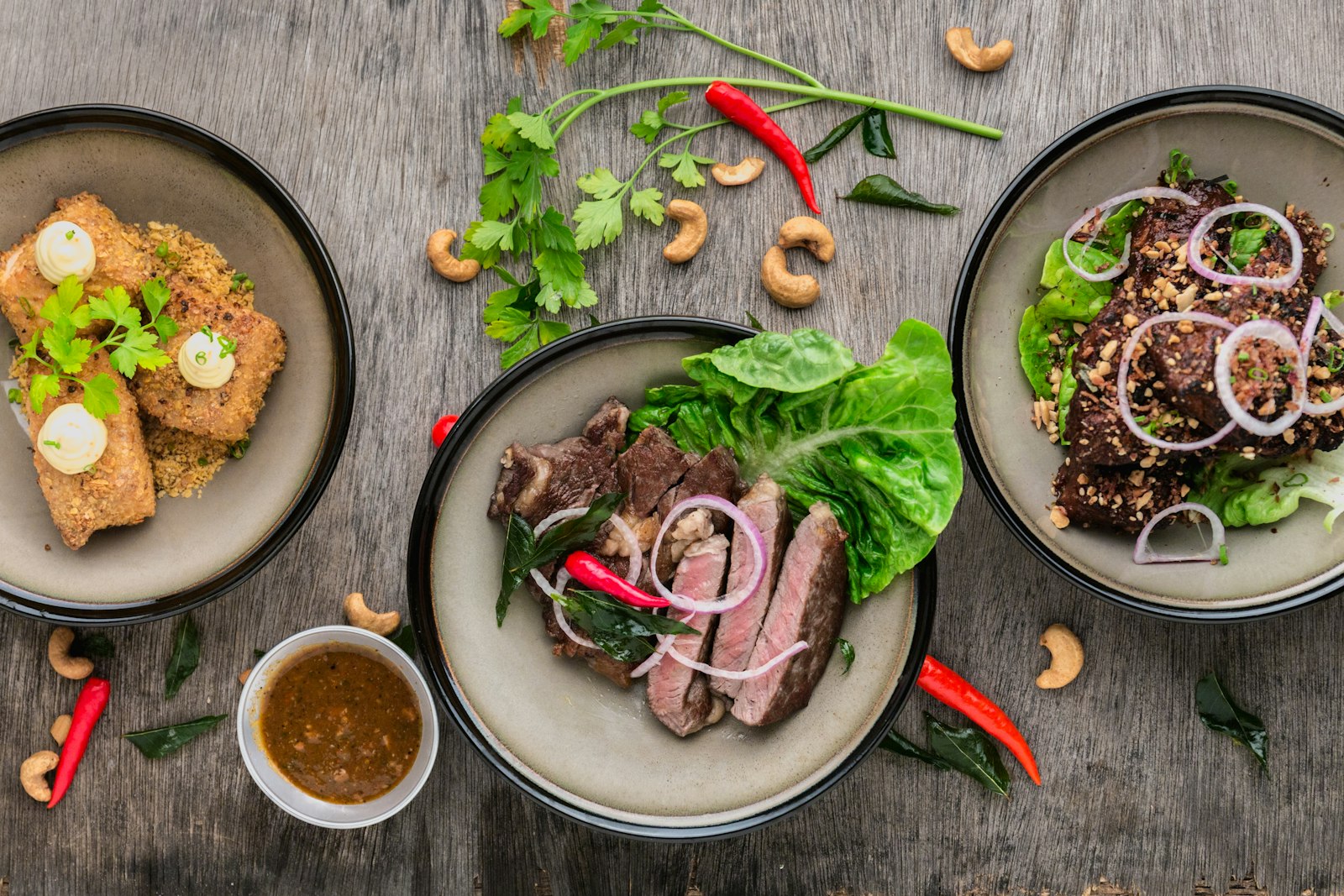
What food content actually needs to do
Food content has an unusually clean job tree. Almost every successful piece is either:
- A recipe. Step-by-step, lands the dish, gets saved.
- A craving trigger. Sizzle close-up, cheese pull, sauce drizzle, designed for the algorithm to push to hungry scrollers.
- A culture or context piece. "What grandmas in Sicily actually eat for breakfast", regional explainer, kitchen tour.
Map every piece you ship to one of these jobs. The mistake that kills most food channels is mixing the three: a recipe video that spends 90 seconds on personal backstory before showing the pan loses both audiences.
The Versely stack for food creators
| Content job | Versely tool | Recommended model |
|---|---|---|
| Hero macro shots (cheese pull, sauce drip) | /tools/text-to-image | Flux 2 Pro, Nano Banana 2 |
| Motion macro (sizzle, steam, pour) | /tools/ai-video-generator (T2V or I2V) | VEO 3.1, Seedance 2.0 |
| Overhead chop sequences | /tools/ai-video-generator (T2V) | VEO 3.1, Hailuo 2.3 |
| Recipe card text overlays | UGC compose-overlay | n/a |
| Auto-timed recipe captions | UGC timestamped captions | n/a |
| Voiceover (host or narrator) | /tools/ai-voice-cloning | ElevenLabs |
| Sizzle and chop SFX | /tools/ai-music-generator (SFX mode) | Suno V5.5 |
| Background music bed | /tools/ai-music-generator | Lyria |
| Multi-scene cooking story | /tools/ai-movie-maker | VEO 3.1 + Seedance 2.0 |
| B-roll for written recipe blogs | /tools/ai-b-roll-generator | VEO 3.1 Fast |
When to use AI vs your phone
This is the single most important judgment call for a food creator, and most plateaued channels get it wrong. The default should be: real food in your phone, AI for everything you cannot easily film.
- Real phone footage wins. The actual final dish on the actual plate, the host's hands kneading dough, anything where authenticity is the value. A grainy iPhone clip of a real kimchi pancake outperforms a perfect AI render every time.
- AI wins. Macro shots requiring a 100mm lens you do not own. Slow-motion oil drips at 1000fps. Overhead drone-style pulls of a banquet table. Steam rising off a perfect bowl of pho. Cheese pulls from a pizza you did not actually make. Pre-roll establishing shots of a vintage Italian kitchen, a Tokyo street food stall, or a Marrakech spice market.
The hybrid pattern that has emerged: shoot the dish you actually cooked on your phone, cut in AI-generated macro inserts and establishing shots, voice the whole thing with a cloned voice. The viewer reads it as a fully produced video; you spent 40 minutes instead of 4 hours.
The 7-step weekly food content engine
One creator. One cooking session. 12 to 15 published pieces a week.
- Pick the dish. One hero recipe per week, plus two craving-trigger pieces and one culture piece. The hero recipe drives YouTube long-form and a 60-second vertical recipe; the craving triggers are pure algorithm food.
- Cook and shoot once. One real cook on phone camera, ideally overhead and side angles, 4K if your phone supports it. Capture the final plated dish from 5 angles. This is your only kitchen day.
- Generate the macro inserts. For every step that benefits from a macro shot (oil shimmer, garlic browning, basil falling onto sauce), generate a 3-to-5-second VEO 3.1 clip. Keep the kitchen aesthetic consistent across clips.
- Generate establishing context. A 5-second wide of a market, a vintage kitchen, or steam rising from a window. This sets a mood that home cooks cannot replicate at home.
- Layer the audio. Suno V5.5 in SFX mode handles sizzle, chop, and pour sounds when your phone microphone undersells the moment. Lyria for the background bed.
- Voiceover the whole thing. Cloned voice, friendly tempo, 155 to 170 words per minute. Add the recipe card overlay through Versely's UGC compose-overlay op for the on-screen ingredient list at the end.
- Cut three deliverables. YouTube long-form (8 to 12 minutes, full method), 60-second vertical recipe for Reels and TikTok, 15-second craving-trigger short. The 15-second cut is just the cheese pull or the sauce drip, no narration, on autoplay loop.
Macro shot prompts that read as real
The macro shot is the visual signature of professional food content. The prompts that work best on Flux 2 Pro and VEO 3.1 share three traits: they specify lens character, lighting, and subject behavior at the same time.
A working Flux 2 Pro prompt:
Macro food photograph, 100mm lens at f/2.8, soft window light from camera left, sharp focus on melted cheese pull from a slice of pepperoni pizza, droplets of oil glistening, dark wood background slightly out of focus, shot on Hasselblad H6D, restaurant editorial style
A working VEO 3.1 motion macro:
Slow-motion macro shot, oil shimmering as garlic hits a hot cast iron pan, gentle steam rising, soft warm overhead light, 240fps, sharp focus on the garlic, kitchen background blurred, 5 seconds
Notice that both prompts anchor to specific lens, fps, and lighting language. Generic prompts like "close-up of pasta" produce the plastic AI tell. Camera physics anchors the model.
Audio: sizzle, chop, and the bed
Food content is the highest-ASMR niche in short-form video. 67 percent of food content on TikTok is watched with sound on, the inverse of most niches. That makes audio a leverage point most creators undertreat.
- Sizzle SFX. Use Suno V5.5 SFX mode with prompts like "sizzling onions in butter, close-up, isolated, 4 seconds, no music."
- Chop SFX. Sharp wooden cutting board chops are easy to generate cleanly; metal-on-glass less so. Generate at minimum 4 to 6 seconds and trim.
- Sauce drip and pour. These are the highest-engagement audio moments. Generate at 96kHz if your distribution supports it.
- Background bed. Lyria for instrumental, Suno V5.5 for vocal-led tracks. Match the bed to the cuisine: bossa for Brazilian, lo-fi for casual breakfast content, light strings for fine dining demos.
- Voiceover. Clone the host's voice in ElevenLabs and run the entire script. Cooking narration tolerates a slightly faster pace than travel; 165 to 175 wpm reads as energetic.
Recipe card overlays that get saved
The save rate on a recipe video is the metric that compounds. Every save tells the algorithm to push the video to lookalike audiences, and a recipe with a clean ingredient and method overlay at the end gets saved roughly 3x more often than one without.
The pattern that works: at the 80 percent mark of a 60-second vertical recipe, freeze the final dish, fade in a semi-transparent ingredients-and-method card. Versely's compose-overlay op handles this in a single call. Keep the card on screen for at least 5 seconds; saves happen during that window.
For long-form YouTube, repeat the recipe card at the very end with timestamps to ingredients and method, and put the full recipe in the description with affiliate links to the spice blends, sauces, or cookware mentioned.
Cost per deliverable
A single 60-second vertical recipe video, hybrid (real cook + AI macro inserts), with voiceover and bed.
| Step | Operation | Approx. credits |
|---|---|---|
| 4 macro motion inserts (4s each) | VEO 3.1 | 160 |
| 2 hero stills for thumbnails | Flux 2 Pro | 12 |
| 1 establishing wide (6s) | Seedance 2.0 | 35 |
| Voiceover narration 60s | ElevenLabs | 8 |
| Sizzle and chop SFX bundle | Suno V5.5 SFX | 12 |
| Lyria music bed 60s | Lyria | 6 |
| Auto-captions | UGC op | 8 |
| Compose recipe card overlay | UGC op | 15 |
| Total per recipe reel | ~256 |
A creator shipping 12 short-form pieces a week sits around 12,000 credits a month, which is well below the cost of a single hour with a paid food stylist.
Viral food formats worth copying
The patterns that the algorithm has rewarded most consistently across 2025 to 2026:
- The 60-second one-pot. Single pan, every ingredient added on a beat, hero shot at 50 seconds, recipe card at 55. Standard format, repeatedly viral when the dish is interesting.
- ASMR cooking. No narration, sound-design only, 45 to 90 seconds. Steam, sizzle, knife work, sauce drip. Suno V5.5 SFX is purpose-built for this.
- "What I ate today" with AI inserts. Real phone clips of meals, AI macro inserts to elevate the production. The inserts are clearly AI-stylized but viewers tolerate it because the real meals anchor the trust.
- Cuisine deep-dives. 6-to-10-minute YouTube on a specific regional cuisine, mixing AI establishing shots of the region with real cooking demos. Strong for travel-food crossover.
- Recipe remix tournaments. Two AI-generated versions of the same dish (Italian carbonara vs. Korean carbonara), real cook of the winner. Engagement spikes on comparison framing.
For more on adapting these to short-form distribution see best AI tools for Instagram Reels and how to make viral short-form videos with AI.
What to avoid
- AI-only recipe videos with no real cook. Audiences will catch the fact that the dish is fake and the comments will turn. Always anchor at least one real plate.
- Plastic-looking food. The AI tell on food is uncanny shine and unnatural color. Use restrained Flux 2 Pro grading and shoot reference from your real dish before prompting.
- Inaccurate cooking times and temperatures. If the voiceover says "stir for 3 minutes at medium heat", the visual should match. Mismatches between voiceover and visual erode trust faster in food than any other niche.
- Skipping the recipe card. A reel without a save-trigger overlay will underperform a reel with one by 2 to 3x. Compose-overlay every recipe.
- Over-reliance on stock food music. Lyria custom beds are 6 credits and feel native to your brand. The same overused "happy cooking" stock track is a downranking signal at this point.
FAQ
Can AI generate a recipe I have not actually cooked?
Yes, but you should not represent it as a recipe you developed and tested. The integrity bar in food content is high, and audiences punish creators who post untested recipes that fail in their kitchen. Use AI to illustrate techniques you understand, not to invent dishes you have never made.
Which model is best for cheese pulls and sauce drips?
VEO 3.1 wins on cheese pulls because it handles the elastic stretching physics more reliably than alternatives. Seedance 2.0 is stronger on sauce drips and slow pours because the prompt-faithfulness translates well to "thick honey pouring slowly from a wooden dipper." Test both for your specific dish.
Is it ethical to use a cloned voice for a cooking show?
If it is your own voice cloned for production efficiency, yes. If it is a celebrity chef's voice or a non-consenting third party, no. The 2026 platform policies on voice cloning have tightened; Versely requires consent attestation for any non-self voice clone.
How do I make AI-generated food shots not look fake?
Specify lens character (100mm macro at f/2.8), lighting source (window from camera left), and material behavior (oil shimmering, steam rising). Avoid maxed saturation. Reference our AI prompt engineering for image generation post for deeper prompt structure.
What aspect ratios should food content ship in?
Vertical 9:16 for Reels, TikTok, and Shorts is the highest-volume cut. Square 1:1 for Instagram feed posts. Horizontal 16:9 for YouTube long-form. The recipe card overlay needs to redesign for each aspect ratio; do not just letterbox a vertical card into a horizontal frame.
Can I monetize AI-assisted food content with brand deals?
Yes, and major food brands actively prefer AI-assisted creators in 2026 because turnaround is faster. Brand briefs increasingly require disclosure of AI use in production but rarely prohibit it. Sponsorship rates for hybrid AI food creators in the 100K to 500K range typically run 800 to 3,500 USD per integrated post.
Bottom line
Food content is a sensory, save-driven format where the trust anchor is the real plate at the end. Use Versely to fill the macro inserts, establishing shots, and SFX you cannot easily produce at home, but keep the actual cook real. The output is studio-grade content from a normal kitchen, and the math finally works for solo food creators trying to ship 20 pieces a month. For a broader frame on how the best AI video generation models 2026 compare on this kind of work, the model deep-dive is the next read.