

Workflows
AI Video for Investor Pitch Decks: Founder Stories That Close
Turn your pitch deck into a video deck. Founder storytelling, animated traction graphics, and async investor follow-ups that move term sheets faster in 2026.
The 2026 fundraising environment is faster and quieter than 2024. Term sheets that used to take six meetings now close in three, and a growing share of those three meetings are async. PitchBook's Q1 2026 venture brief found that 41 percent of seed and Series A first meetings now include some video component (a Loom-style founder intro, a video deck, or an async traction walkthrough), up from 12 percent in 2023. The founders who close fastest are the ones who treat the video deck as a real artifact, not an afterthought tacked onto the PDF.
This guide is the playbook for that. It covers the video version of your pitch deck, founder storytelling that does not feel rehearsed, animated traction graphics that make growth pop, and the async follow-up video that keeps a partner engaged between Monday's first call and Wednesday's full-partner meeting.

Why a video deck closes faster than a PDF
Three things are happening at once in 2026 venture:
- Partners read decks on phones. A 16-slide PDF on a 6-inch screen is a chore. A 90-second video deck with chapter markers is not.
- Async first meetings. A growing share of GP first-screens are async. You send a 5-minute Loom plus a deck. The Loom either earns the live meeting or it does not.
- The signal of effort matters more, not less. A clean video deck signals that you can ship a product. Investors absolutely judge production quality as a proxy for execution speed.
The good news is that AI video has collapsed the cost of production quality. A founder can now ship a video deck in a day that, in 2023, would have required a 5-figure agency engagement.
The shape of a founder video deck
A video deck is not your live pitch with a screen recording. It is a different artifact, optimized for solo viewing on a partner's phone at 9pm. The structure that works:
- Founder cold open (0:00-0:15). Your face, talking to camera, one sentence. "I'm Sarah, I built [thing] because [pain]." No music yet.
- The wedge (0:15-0:45). What is broken about the world today, told in three beats with b-roll. Music starts soft.
- The product reveal (0:45-1:30). Real screen recording of the product doing the thing. Voice-over.
- Traction (1:30-2:30). Animated charts, customer logos, one customer quote on b-roll.
- Why now and why us (2:30-3:30). Founder back to camera. Honest, not rehearsed.
- The ask (3:30-4:00). Round size, lead status, timeline, and one CTA: "reply if you'd like to dig in."
Total: 4 minutes. Long enough to earn a real reaction, short enough to watch in a Lyft.
The Versely stack for fundraising video
| Pitch deliverable | Versely tool | Recommended model |
|---|---|---|
| Founder talking-head segments | /tools/ugc-video-generator + /tools/ai-lipsync | Hailuo, ElevenLabs v3 |
| Voice-cloned narration over b-roll | /tools/ai-voice-cloning | ElevenLabs v3 |
| Animated traction charts and graphics | /tools/text-to-image + UGC overlay | Ideogram 3, Flux 1.2 Ultra |
| Wedge / market b-roll | /tools/ai-b-roll-generator | VEO 3.1, Kling 3.0 |
| Async follow-up video | /tools/ugc-video-generator | Hailuo |
| Music bed (subtle, non-cinematic) | /tools/ai-music-generator | Lyria |
| Multi-scene narrative cut for the long version | /tools/ai-movie-maker | SORA 2, VEO 3.1 |
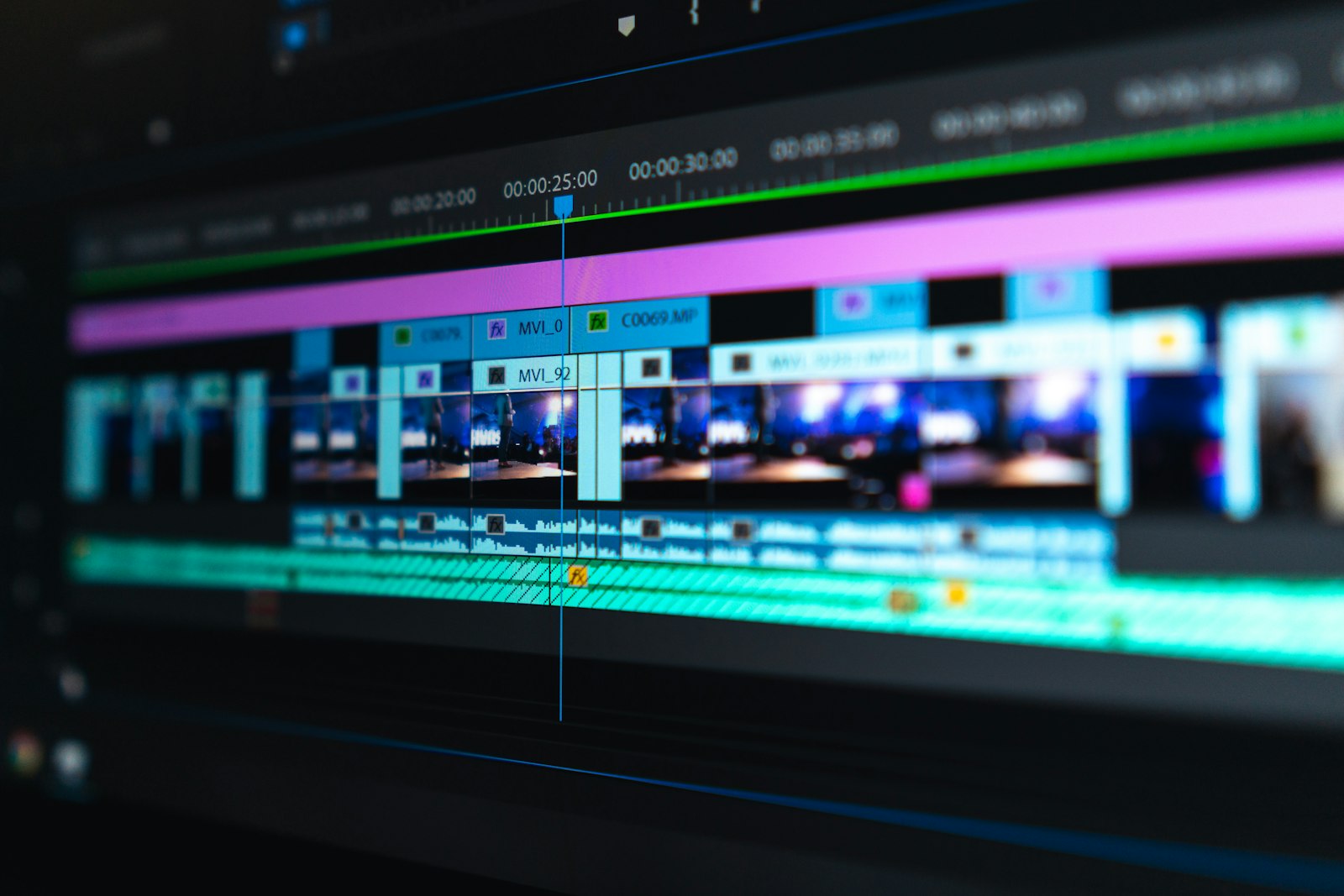
Founder storytelling, without the cringe
The biggest failure mode of a video deck is that the founder reads a script and sounds like they are reading a script. Investors detect this in 4 seconds and check out.
The fix is structural, not performative. Three rules:
- Write talking points, not a script. Three bullets per segment, in your own words. Record three takes per segment. Pick the one that sounds like you, not the one that sounds clean.
- Use ums sparingly but do not edit them all out. A perfectly clean delivery sounds AI. One natural pause per segment makes it feel real.
- Voice-clone for narration, not for talking head. When you are on camera, use your real voice. When you are doing voice-over on b-roll, voice-clone with ElevenLabs v3 so you can iterate on the script in 60 seconds without re-recording.
If you are time-constrained and need to record talking-head segments without setting up a camera, train a personal avatar with the UGC video generator from a 2-minute clip. Disclose this in your follow-up email. Most 2026 GPs respect the time discipline; they do not respect being deceived about it.
Traction graphics that actually move investors
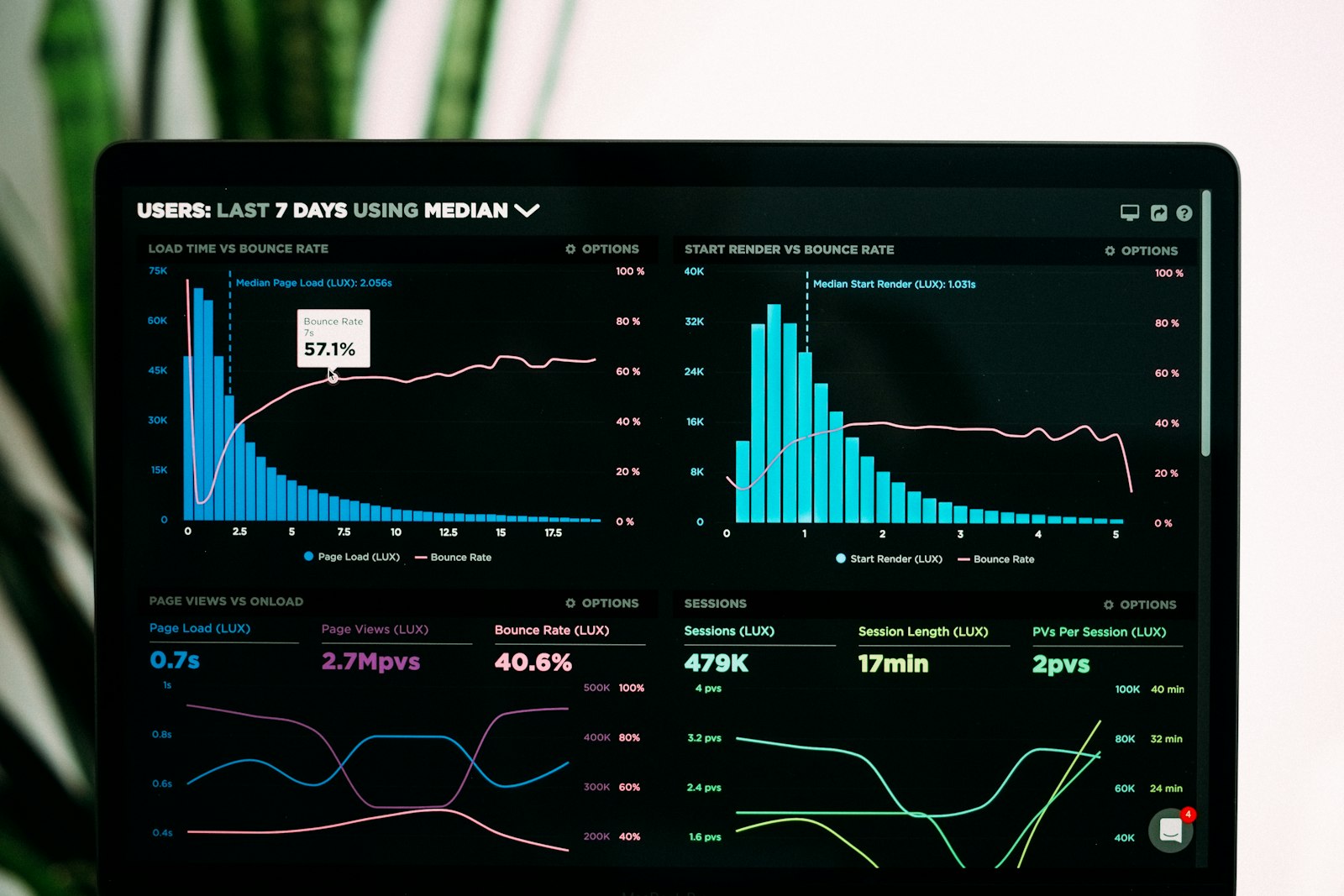
A flat line chart in a PDF is information. The same line chart, animated to draw on screen as you say "we 4x'd ARR in two quarters," is persuasion.
The graphics that consistently land:
- The hockey stick reveal. Chart starts flat, then the most recent quarter draws fast. Generate the chart in Ideogram 3, animate the reveal in the UGC overlay editor.
- The cohort retention wall. A 12-row cohort table that highlights the top row's retention as you narrate it.
- The customer logo wall, animated. 12 to 20 logos in a 4-column grid, each fading in on the beat of the music.
- The before/after metric. Two big numbers side by side. "47 minutes" → "4 minutes." Hold for two beats.
- The unit economics panel. CAC, LTV, payback period in three big numbers, animated in sequence.
Avoid stock chart animations. Investors have seen the same After Effects template a thousand times. Custom-generated graphics, even simple ones, signal that you cared.
The fundraising video workflow
This is the actual loop a solo founder runs to ship a video deck in a working day.
- Lock the deck first. Do not start video production until the static PDF is final. Otherwise you will re-shoot every change. (Half a day.)
- Write the 4-minute outline. One paragraph per segment. Talking points, not a script. (45 minutes.)
- Record the founder segments. Phone on a tripod, natural window light, lav mic. Three takes per segment. (90 minutes.)
- Generate the b-roll for the wedge and market segments. VEO 3.1 for cinematic motion, Kling 3.0 for human-centric scenes. 8 to 12 clips. (45 minutes.)
- Build the traction graphics. Generate base images in Ideogram 3, animate in the overlay editor. (60 minutes.)
- Voice-clone the voice-over. ElevenLabs v3 from a 2-minute sample. Generate narration for any non-talking-head segment. (30 minutes.)
- Cut the 4-minute master. Then export a 90-second teaser cut for cold outreach and a 30-second hook for LinkedIn DMs. (90 minutes.)
- Generate the async follow-up shell. A 60-second template you can personalize per partner after each meeting. Voice-clone makes per-investor personalization a 5-minute job. (30 minutes.)
A few prompts that consistently work:
- "macro shot of a city skyline at golden hour, slow drift, soft music swell, no people, 6 seconds" (VEO 3.1, for opening market b-roll)
- "close-up of hands typing on a laptop in a sun-lit cafe, blurred background of a busy street, 5 seconds" (Kling 3.0, for "users today")
- "modern dashboard with cyan data lines pulsing on a dark background, slow zoom, 4 seconds" (PixVerse V6, for product reveal)
For more on cinematic multi-scene cuts, the AI movie maker is the right tool when the deck has a real narrative arc, not just data.
The async investor follow-up video
The follow-up video is the single most underused weapon in 2026 fundraising. The pattern that closes:
- Within 4 hours of the meeting, send a 60-second personalized video. Open with the partner's first name. Reference one specific thing they pushed back on. Show one new piece of data that addresses it. Close with the next concrete step.
- Use your voice-clone to script-iterate fast. Use your personal avatar if you cannot get to a camera.
- Keep the production quality identical to the main video deck. A casual phone selfie undoes the signal of the polished deck.
Founders who do this consistently move from "we'll think about it" to "let's get a partner meeting on the calendar" at roughly twice the rate of founders who send a text-only follow-up email, based on Versely's 2026 founder survey of 240 active fundraises.
Mistakes that lose the room
- Reading the script. It always shows. Use bullets.
- Over-produced opening. A cinematic 30-second logo intro screams "we are spending time on the wrong thing." Open with your face in the first 5 seconds.
- Music too loud. Music should be at -18dB under your voice. If you can hum the melody during your pitch, it is too loud.
- No CTA. Every video, even the cold outreach 30-second teaser, needs one specific ask.
- Hiding the round details. Partners hate fishing for the round size and lead status. Put it on screen at minute 3:30.
- Faking traction. Animating a chart is fine. Animating a chart with numbers that do not match what is in the data room ends the relationship and your reputation.

FAQ
Should I use an AI avatar of myself in a pitch video?
For the async follow-up, yes, with disclosure. For the main video deck, no. Investors want to see the actual founder make eye contact with the camera in the cold-open segment. Your real face on camera at the start, AI avatar for the personalized follow-ups, is the right split.
How long should the main video deck be?
Four minutes for the master, 90 seconds for the cold-outreach teaser, 30 seconds for the LinkedIn DM hook. Anything longer than four minutes loses partners on phone screens.
Will GPs actually watch a 4-minute video?
If the first 8 seconds earn it, yes. The 2026 PitchBook survey found that 67 percent of partners watch async video pitches to completion when the cold-open earns the click. The lever is the hook, not the length.
Is voice-cloning my own voice ethical for investor materials?
Yes, when you disclose it for narration over b-roll. It is not a deepfake; it is a production efficiency. Most 2026 founders who voice-clone their own voice mention it casually in the follow-up email and no GP has flagged it.
What if I do not have meaningful traction yet?
Lead with the wedge and the product. Use the traction segment for design partner logos, waitlist size, or letters of intent. Do not animate a flat revenue line; investors will read it as denial.
Takeaway
The video pitch deck is the new standard, not the new optional. Founders who ship a 4-minute video deck and personalized async follow-ups close faster, get more partner meetings out of fewer cold intros, and signal execution speed in a way that a PDF cannot. The Versely stack above is how solo founders are doing it in a single working day, with no agency, no videographer, and total control of the message. Start with the UGC video generator for the founder segments and the AI voice cloning tool for narration; the rest of the deck builds itself from there. For broader content production loops beyond fundraising, the AI content creation 2026 complete playbook is the next read.