

Industry
AI Video for Nutritionists and Dietitians: Recipe Reels and Client Content
Recipe reels, meal-prep shorts, and compliant client transformation content. The 2026 AI video playbook for nutritionists, dietitians, and health coaches.
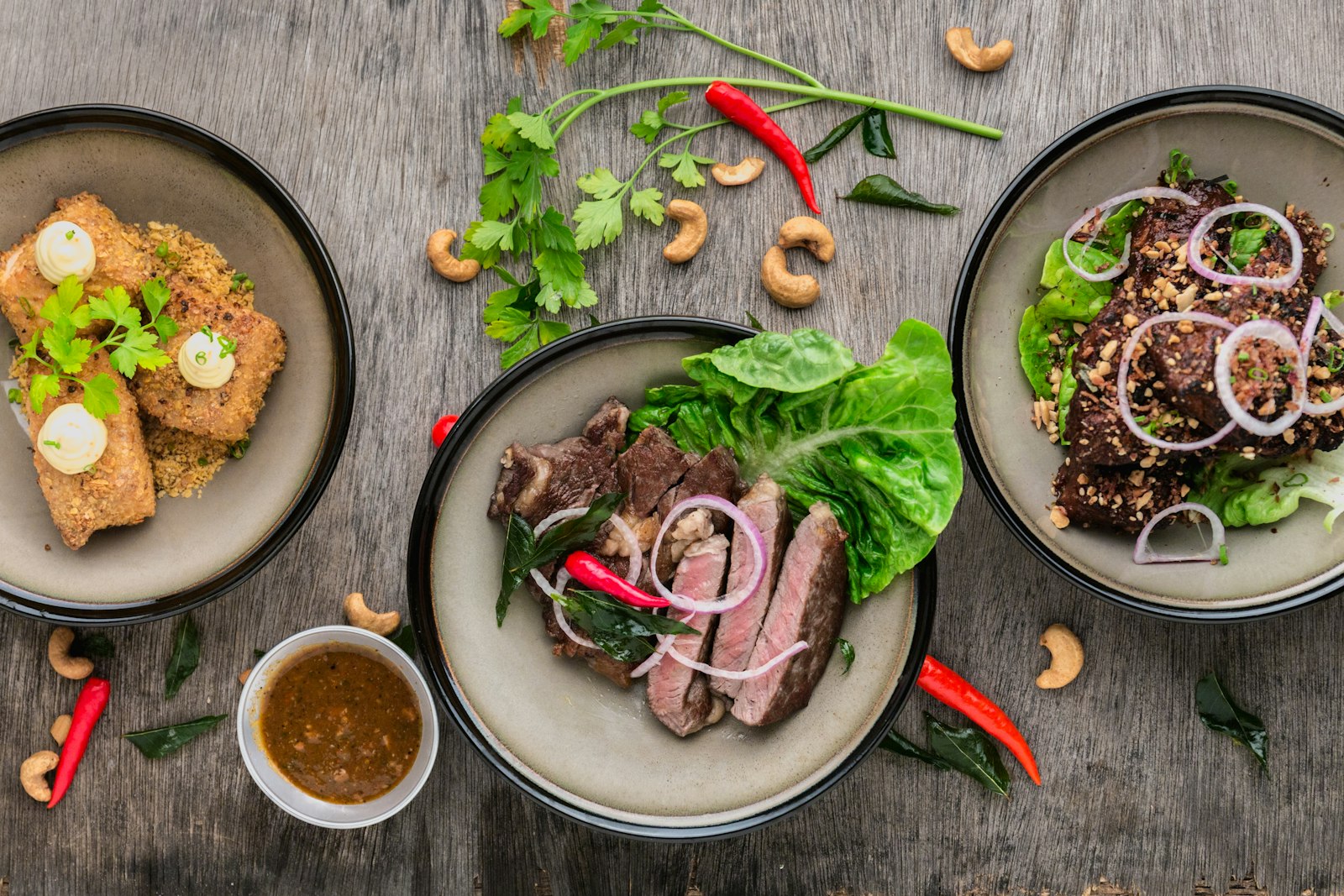
A registered dietitian or independent nutrition coach in 2026 is competing with 12,000 wellness creators on Instagram Reels alone, and the algorithm rewards recipe reels with sub-1.5-second hooks and clean overhead motion. The problem: most RDs are not videographers, and the day rate for a food-shoot stylist plus a Sony A7S setup runs 1,200 to 2,800 dollars before a single dish is plated.
The nutrition pros booking out their 1:1 calendars right now are not hiring crews. They are running their entire content engine through Versely. One recipe yields three Reels, a Pinterest pin, and a meal-prep short. Below is the 2026 playbook, with the compliance guardrails RDs and CNs need to stay inside scope of practice.
The content jobs nutrition video actually has to do
Nutrition video has three distinct jobs, and conflating them is what kills most RDs' content strategies:
- Demonstrate a recipe or meal-prep technique well enough that a viewer saves the reel.
- Build authority and personality so the viewer eventually books a discovery call.
- Stay strictly inside scope of practice and avoid medical claims, specific outcome promises, and anything that triggers an Instagram health-misinformation flag.
The Versely stack below is tuned for those three jobs. It will not write a treatment plan for you, and it should not.
The Versely stack for nutritionists and dietitians
| Deliverable | Versely tool | Recommended model |
|---|---|---|
| Overhead recipe reel | /tools/ai-video-generator image-to-video | Kling 3.0, Wan 2.7 |
| Recipe hero still | /tools/text-to-image | Flux 1.2 Ultra, Midjourney v7 |
| Talking-head educational short | /tools/ai-lipsync + /tools/ai-voice-cloning | ElevenLabs v3 |
| Meal-prep b-roll | /tools/ai-b-roll-generator | VEO 3.1, LTXV2 |
| UGC-style client framing | /tools/ugc-video-generator | PixVerse V6, Hailuo |
| Pinterest pin set | /tools/text-to-image | Ideogram 3 |
| Service explainer story | /tools/story-to-video | SORA 2, VEO 3.1 |
For a deeper comparison of the underlying video models and what changed mid-year, see our what's new in AI video models 2026 mid-year roundup.
Recipe reels are still the highest-leverage format
A 9 to 15 second overhead reel of a single recipe assembly is the unit of content that compounds for nutrition pros. It indexes for save-rate, which Instagram weights heavily for the food vertical, and it gives Pinterest a vertical video pin asset for free.
The 2026 recipe reel formula: a one-frame hero shot of the finished plate, a four-step assembly sequence, an overhead pour or sprinkle as the closer, and a static text overlay with the recipe name plus one credibility cue ("RD-developed", "diabetes-friendly", "30g protein"). Generate the assembly sequence with image-to-video on Kling 3.0 with slow vertical pan prompts. The whole thing assembles in about 25 minutes per recipe.

Compliance guardrails RDs cannot skip
Nutrition content has tighter compliance than most niches. Get this wrong and you risk a state board complaint, an Instagram suspension under the health-misinformation policy, or worst case a malpractice exposure question.
- No medical claims. Avoid "cures", "treats", "reverses", "heals". Stick to "supports", "may help with", "is a source of". This is non-negotiable for RDs in the US, RDNs in Canada, and registered nutritionists in the UK.
- No specific outcome promises. "Lose 20 pounds in 30 days" is a violation in most jurisdictions and on most platforms. "Build a sustainable eating pattern that supports your goals" is fine.
- Client transformation content needs disclaimer plus consent. A before/after reel needs (1) written consent from the client, (2) an on-screen disclaimer like "Individual results vary. Not a guarantee," and (3) no implication that the result is typical unless you have data showing it is.
- AI-generated client faces are off-limits as testimonials. You cannot generate a synthetic person and frame them as a real client outcome. You can use AI b-roll of generic kitchen scenes, hands chopping, food prep, but not synthetic humans posed as testimonials.
- Disclose AI-generated food imagery when relevant. If the hero plate is AI-generated rather than a photo of food you actually made, a small "stylized illustration" tag avoids confusion. Many RDs reserve AI hero stills for educational content (e.g., "what 30g of protein looks like") rather than recipe pages.
The Pinterest food funnel that converts
Pinterest is still the highest-intent channel for recipe and meal-prep content in 2026. Save-to-click rates on RD-tagged recipe pins run 4 to 7 percent, materially higher than IG Reels click-through.
The pin format that wins: 1000x1500 vertical still or 9:16 video pin, recipe name in the top third in a clean serif overlay, finished dish in the center, and a "RD-developed" or credentialing badge in the bottom corner. Generate the lifestyle still with Midjourney v7 or Ideogram 3 (Ideogram handles text overlays natively, which saves a step).
Build out 30 pins per recipe theme (15 stills, 15 short video pins) and schedule them across a 60-day window. Pinterest favors steady cadence over burst posting, and the long tail on a single pin can drive traffic 14 months after publish.
Workflows with example prompts
These are the four loops a one-person nutrition practice should run weekly.
1. Overhead recipe assembly reel (12 seconds, vertical)
- Tool: /tools/text-to-image Flux 1.2 Ultra, then /tools/ai-video-generator image-to-video Kling 3.0
- Image prompt: "Overhead shot of a wooden cutting board with diced bell peppers, cherry tomatoes, fresh basil, a small bowl of olive oil, and a chef's knife, soft natural window light from upper left, photographic, vertical 9:16, 4k"
- Animation prompt: "Slow vertical pan revealing more ingredients entering frame from the bottom, hands not visible, 5 seconds, smooth motion only, no people"
- Stitch four such cuts plus one finished-plate hero. Add ElevenLabs v3 voiceover with the recipe steps if you want narration.
2. Educational talking-head short (20 seconds, vertical)
- Tool: /tools/ai-voice-cloning plus /tools/ai-lipsync
- Script template: "Three things people get wrong about [topic]. Number one, [myth]. Here's what the research actually shows. Number two, [myth]. The better framing is [reframe]. Number three, [myth]. Try this instead. Save this for later."
- Record once, regenerate weekly with new topics using your voice clone
3. Meal-prep b-roll loop (30 seconds, vertical)
- Tool: /tools/ai-b-roll-generator VEO 3.1
- Prompt: "Hands portioning cooked grains into glass meal-prep containers on a marble counter, soft afternoon light, no faces visible, calm steady motion, 5 seconds"
- Generate six such b-roll clips. Stitch with Lyria music bed and a static text overlay listing the meal-prep menu for the week.
4. Service explainer story (45 seconds, vertical or square)
- Tool: /tools/story-to-video SORA 2 or VEO 3.1
- Story arc: "Many of my clients come to me feeling overwhelmed by conflicting nutrition advice. Together we build a simple, sustainable eating pattern grounded in your real life. Here is what the first 30 days look like together. Book a discovery call when you are ready."
- The story-to-video tool will generate scene-by-scene video. Layer your voice clone over it for personalization.
For more on how the underlying models stack up for talking-head and avatar work, see our best AI avatar generators 2026 roundup.
Mistakes to avoid
- Drifting into medical claims. "This smoothie balances your blood sugar" is a claim. "This smoothie pairs slow carbs with protein and fat, which can help support steadier energy" is education. The phrasing matters for compliance and for licensing.
- Synthetic client transformations. Never generate a fake "before" body and a fake "after" body. This violates platform policy and in most jurisdictions constitutes deceptive advertising.
- Over-stylized AI food. When AI generates food it tends to over-saturate, over-glaze, and add steam where there should not be steam. For recipe pages, animate real photos of food you actually made. Reserve AI generation for educational illustrations and b-roll.
- Ignoring captions. 78 percent of nutrition reel views happen with sound off. Burn captions into every reel. Versely auto-captioning ships timestamped SRT-aligned captions in one click.
- One-format thinking. A single recipe should ship as a 12-second IG Reel, a 30-second TikTok with voiceover, a 1000x1500 Pinterest pin, and a 9:16 Pinterest video pin. If you are shipping one asset per recipe you are leaving most of the reach on the table.
- Burying the credential. Your "RD" or "MS, CNS" tag should appear in the first frame and in the pinned comment. It is the trust cue that converts savers into discovery-call bookers.
FAQ
Can I use AI-generated food photos for my recipe pages?
For educational content, yes (e.g., a stylized illustration showing portion sizes). For actual recipe pages where viewers will try to recreate the dish, animate real photos of food you actually made. AI-generated dishes often include physically implausible textures or impossible plating that frustrates home cooks.
What is the safest way to do client transformation content?
Get written consent, use the client's real photos (not AI-generated), include an on-screen disclaimer that individual results vary, and avoid implying the result is typical unless you have aggregated data to support that. Avoid claiming the result is due to your protocol alone.
How do I avoid the Instagram health-misinformation flag?
Stick to language anchored in the research literature, link to a credible source in your bio, never claim cures or guaranteed outcomes, and avoid the trigger words ("detox", "cleanse", "reverse"). When in doubt, write the caption as if a state board member were reading it.
Which model is best for overhead food motion?
Kling 3.0 image-to-video is currently the strongest for slow overhead recipe motion with stable food textures. Wan 2.7 is a close second. PixVerse V6 is faster but tends to over-glaze food surfaces. For static finished-plate hero stills, Flux 1.2 Ultra and Midjourney v7 both produce excellent results.
How fast can a solo RD realistically build a 30-day content bank?
With three recipes, two educational talking-head shorts, and one service explainer planned in advance, a focused six-hour day will produce 30 days of content across IG Reels, TikTok, and Pinterest, including all aspect-ratio variants.
Build your nutrition content engine
Nutrition content used to mean either a 2,000 dollar shoot day or a string of grainy phone clips. In 2026, the RDs and CNs filling their calendars are doing neither. They are running tight, compliant, recipe-first content loops through Versely. Spin up your first overhead recipe reel with the AI video generator and layer in talking-head shorts and Pinterest pins from the same asset bank.