

Industry
AI Video for Physical Therapy Clinics: Exercise Demos and Recovery Stories
Exercise demos, recovery story videos, and ADA-compliant captions. The 2026 AI video stack PT clinics use to fill schedules and rank on Google.
A physical therapy clinic in 2026 lives on three traffic sources: Google Business Profile, Healthgrades, and direct referrals from orthopedic surgeons. The first two are now ranked partly by video freshness and review velocity. The third increasingly hinges on whether the surgeon's office can hand a patient a link to your YouTube channel and find a clean, captioned exercise demo for the procedure they just had.
The clinics filling their schedules in 2026 are running roughly one exercise demo per business day, one recovery testimonial per week, and a fresh GBP cover video each quarter. Doing that with a freelance videographer would cost 6,000 to 9,000 dollars a month. The AI workflow below brings it inside an hour a day for the clinic owner or marketing coordinator.
Why exercise demo video is the highest-ROI content a PT clinic ships
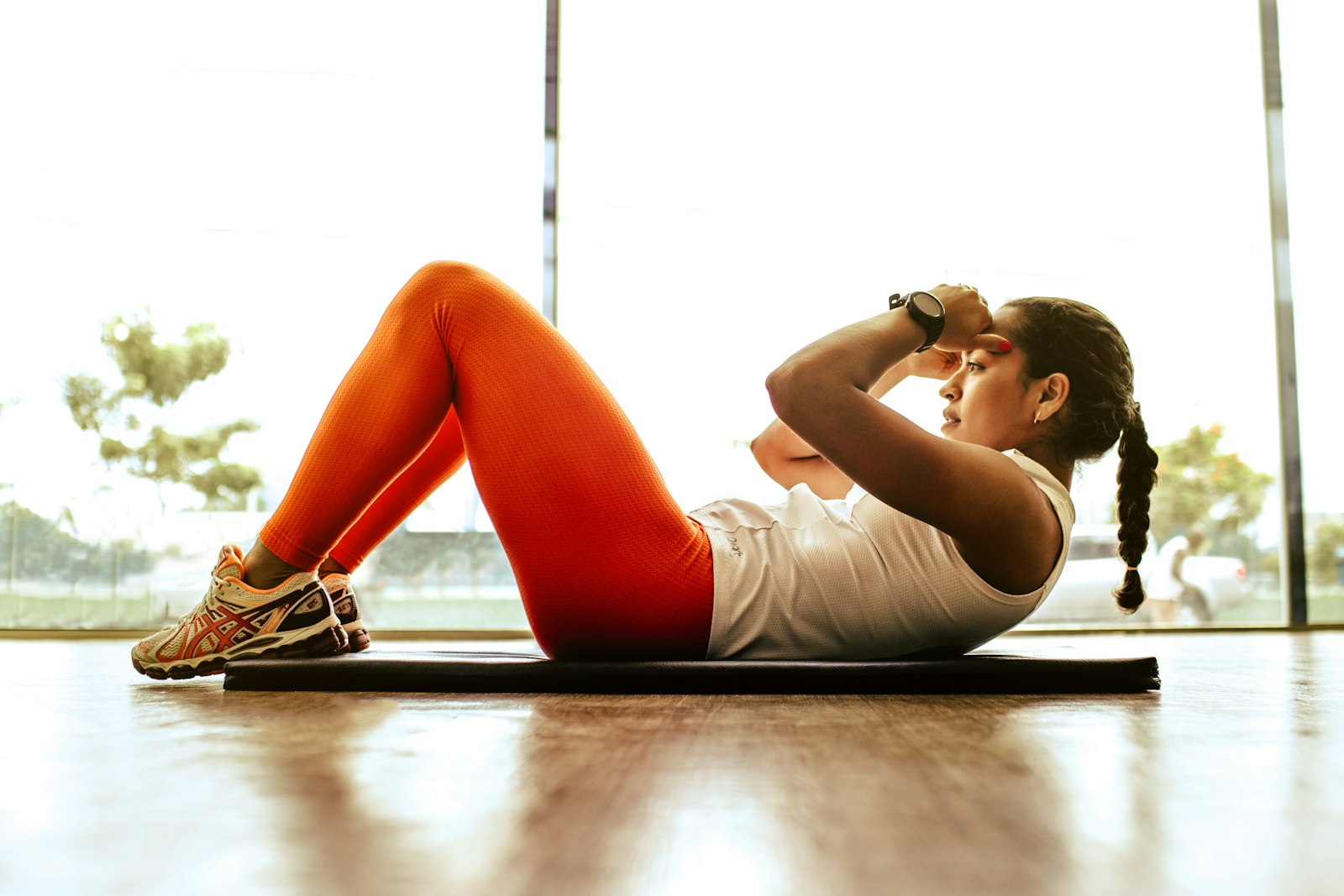
A patient recovering from an ACL reconstruction will search YouTube an average of 18 times in the first 90 days post-op. They want to confirm they're doing the heel slide correctly, that the quad set should feel like that, that it's normal for the swelling to come back after a long walk. If your clinic owns the top organic result for "ACL post-op week 4 exercises in [your city]," you are winning surgeon referrals you didn't even know existed.
The exercise demo also doubles as your treatment-room education. Therapists send patients home with a QR code linking to that exact demo on your YouTube. Adherence goes up. Reviews go up. Surgeons notice.
The Versely stack for PT clinics
| Deliverable | Versely tool | Recommended model |
|---|---|---|
| Exercise demo with cloned therapist voice | /tools/ai-video-generator + /tools/ai-voice-cloning | Kling 3.0, ElevenLabs v3 |
| Animated anatomy explainer | /tools/story-to-video | Wan 2.7, VEO 3.1 |
| Recovery testimonial b-roll | /tools/ai-b-roll-generator | VEO 3.1 Fast, Hailuo |
| Therapist avatar intro for new patients | /tools/ugc-video-generator + /tools/ai-lipsync | PixVerse V6 |
| Auto-captions for ADA compliance | /tools/ugc-video-generator | n/a |
| YouTube Shorts thumbnails | /tools/ai-thumbnail-generator | Midjourney v7 |
| Background calming music for waiting-room screens | /tools/ai-music-generator | Lyria, Suno v5.5 |
The "no medical claims" rule that quietly governs everything
PT marketing in the U.S. is regulated by both your state PT board and the FTC. The lines are clearer than people think:
- Allowed: describe an exercise, show the form, describe how it commonly fits into a recovery protocol, attribute opinions to the licensed therapist.
- Not allowed: promise outcomes ("you'll be running in 6 weeks"), compare to surgery ("better than getting it operated on"), claim cures, or suggest the video replaces evaluation.
- Always required: a verbal or on-screen disclaimer that the content is general education and not a substitute for individualized care.
Versely lets you save a reusable disclaimer overlay and inject it into every export. Set it up once, never think about it again.
ADA accessibility is now a ranking signal, not just a legal requirement
In 2026, both YouTube and Google Business Profile actively rank captioned video higher than uncaptioned. Beyond ranking, ADA Title III complaints against healthcare providers for inaccessible web video are up 34 percent year over year. Every exercise demo you publish needs:
- Burned-in captions sized for mobile (minimum 24px, high contrast)
- A separate WebVTT caption file uploaded to YouTube (not just the auto-generated one, which still hits 12 to 18 percent error rates on clinical terms in 2026)
- An audio description track for any visual-only sequence (the demo itself, narrated)
- Alt text on every thumbnail
Versely's UGC tool auto-times the captions from the cloned voice track and lets you export the WebVTT alongside the MP4. That single feature saves about 20 minutes per video.
The 6-step daily exercise demo workflow
This is the loop a clinic coordinator runs once a day, ideally first thing in the morning before patients arrive. End to end about 25 minutes per video once you have a script template.
- Pick today's exercise from your protocol library. A clinic should have a master list of 60 to 100 exercises tagged by body region and recovery phase. One per business day fills a year of content.
- Write the 90-second script. Setup, cueing, common mistakes, dosage. Example template: "Today we're covering the [exercise] for [phase] of [condition] recovery. Set up like this. Cue these three things. Avoid this common mistake. Most patients in our clinic do [sets x reps] one to two times per day. Always check with your therapist before adding a new exercise."
- Generate the demo clip. Use ai-video-generator with Kling 3.0. Prompt example: "medium shot of a person performing a standing hip abduction against a wall, neutral spine, slow controlled motion, gym setting with soft natural light, 12 seconds, no facial close-up, athletic apparel." Generate three variations and pick the cleanest form.
- Voice it with your therapist clone. Drop the script into ai-voice-cloning, generate with ElevenLabs v3 in your senior therapist's cloned voice. The familiarity of one voice across the channel compounds trust over time.
- Add captions and disclaimer. Run the composite through ugc-video-generator. Auto-time the captions. Apply your saved disclaimer overlay. Export 9:16 for Reels and TikTok, 16:9 for YouTube.
- Generate the thumbnail. Open ai-thumbnail-generator, prompt Midjourney v7 with the exercise name, your brand color palette, and a short text overlay. Upload to YouTube with the WebVTT file.
For the testimonial workflow specifically, see our how to make viral short-form videos with AI playbook for the hook and pacing structure that converts on TikTok and Reels.
Mistakes to avoid
- Generic stock-looking demo footage. If your demo could be from any clinic in the country, it doesn't help your local SEO. Use your clinic's actual brand colors, your therapist's actual voice clone, your clinic name in the on-screen lower third.
- Shooting demos with one camera angle. Even AI-generated demos benefit from a wide and a medium cut. Use the ai-b-roll-generator to create a matching close-up of the joint motion to intercut.
- Letting auto-captions ship un-reviewed. Anatomical terms still trip up YouTube's auto-captioning at meaningful rates. Always review and correct before publishing, or Google will downrank you and patients will get bad information.
- Inconsistent posting cadence. YouTube and TikTok reward freshness. A clinic that posts daily for a month then stops loses ranking faster than one that posts twice a week consistently.
- No CTA to book. Every video should end with a 3-second outro pointing to your booking page. Generate one in text-to-image with your logo and book-now copy and reuse across the channel.
- Ignoring Spanish-language patients. In most U.S. metros 18 to 34 percent of PT patients prefer Spanish content. ElevenLabs v3 dubbing turns one English video into a Spanish version in about two minutes.
FAQ
Can I use an AI-generated avatar instead of putting my therapists on camera?
Yes, and most clinics in 2026 do. PixVerse V6 with ai-lipsync gives you a believable on-camera presenter without the staffing problem. The trade-off is slightly lower trust on the bottom-of-funnel testimonial videos, where a real human still converts better. Use avatars for exercise demos and explainers, real humans for testimonials.
Are real patient testimonials a HIPAA issue?
Only if you disclose protected health information without a signed authorization. A patient on camera saying "I came here for back pain" is fine if they signed a media release. A patient on camera saying "I came here for the surgery I had at [hospital] for [condition]" requires a HIPAA authorization in addition to the media release. Use a single combined release form to avoid confusion.
What's the right video length for Google Business Profile?
GBP accepts up to 30 seconds. The sweet spot is 18 to 24 seconds. Use it for your clinic tour, not your exercise demos. Refresh quarterly to signal freshness to the GBP algorithm.
Should I cover post-surgical protocols specific to local surgeons?
Yes, and it is one of the highest-leverage SEO plays available. A demo titled "ACL post-op week 4 exercises after Dr. [Surgeon] protocol" with their specific cadence will rank for both the surgeon's patient base and general searches. Coordinate with the surgeon's office first; many will link to it from their patient education materials.
Can I generate animated anatomy diagrams without a medical illustrator?
Yes. Use story-to-video with Wan 2.7 (Apache 2.0 licensed, so safer for commercial healthcare use) or VEO 3.1. Prompt with anatomical specifics: "animated cross-section of the knee joint showing the ACL connecting femur to tibia, medical illustration style, neutral background, slow rotation, 8 seconds." Always have a licensed clinician verify accuracy before publishing.
Takeaway
Physical therapy is one of the few healthcare verticals where the marketing channel patients actually use (YouTube exercise searches) and the marketing channel that drives bookings (Google Business Profile, Healthgrades) overlap almost perfectly with the educational content your clinicians already produce verbally with every patient. The clinics that win in 2026 are systematically converting that verbal expertise into AI-generated, captioned, branded video at one demo per business day. Start with the AI video generator and the 6-step loop above.