

Industry
AI Video for Science Creators and STEM: Explainers That Actually Get Watched
How science communicators and STEM educators use AI video for animated explainers, lab b-roll, data visualization shorts, and 'science behind X' reels in 2026.
Science TikTok and STEM YouTube are in a strange moment. The audience has never been bigger, with science creators averaging 3.4x the engagement rate of general lifestyle content in 2026. And yet the production cost of doing it well, animating a protein folding, visualizing a black hole merger, recreating a chemistry reaction, used to be brutal. A polished 60-second explainer animation cost 4 to 12 thousand dollars and took two weeks.
That math broke this year. AI video can now generate scientifically-plausible animations, lab b-roll, and data visualizations at a quality bar that satisfies general audiences and most non-specialist contexts. This guide is the workflow science creators, STEM educators, and academic communicators are using to ship explainers that actually get watched, without burning through a Department of Education grant.
Where AI helps and where it does not
A clear line first. AI video is excellent for atmospheric lab b-roll, conceptual animation that visualizes a process at a high level, and stylized data visualization that supports a narrative. AI video is not yet a substitute for primary scientific imagery: real microscopy, real telescope data, real experimental footage. Those still need to come from the actual source.
The win is that 70 percent of a typical science explainer is the atmospheric and conceptual content, not the primary data. By offloading that 70 percent to AI, you free up budget and time to source or create the 30 percent that genuinely needs to be real. The result is more rigorous science communication, not less, because the visuals you cannot fake stand out as the real thing.
The Versely stack for STEM creators
| Deliverable | Versely tool | Recommended model |
|---|---|---|
| Conceptual animation (cells, molecules, cosmos) | /tools/ai-video-generator | VEO 3.1, SORA 2 |
| Lab b-roll (beakers, glassware, microscopes in scene) | /tools/ai-b-roll-generator | Kling 3.0, Hailuo |
| Stylized data visualization | image-to-video | Wan 2.7, LTXV2 |
| Narration in your own voice | /tools/ai-voice-cloning | ElevenLabs v3 |
| Multilingual TTS for accessibility | /tools/ai-voice-cloning | Inworld TTS-2 |
| Long-form documentary-style explainer | /tools/ai-movie-maker | SORA 2, Runway Gen-4 |
| YouTube thumbnail with chart elements | /tools/ai-thumbnail-generator | Ideogram 3 |
| Background music for explainers | /tools/ai-music-generator | Lyria, Suno v5.5 |
Conceptual animation: the biggest unlock
Until 2026, animating a concept like ATP synthesis or wave-particle duality required a motion designer, a science consultant, and three weeks. With VEO 3.1 you can generate a 5-second conceptual animation in under a minute, and SORA 2 can extend it to 8 seconds with cinematic camera work.
The trick is precise prompting. Vague science prompts produce vague results. Specific scientific prompts produce surprisingly good ones. Compare:
- Bad: "animate a cell dividing"
- Good: "scientific animation of mitosis at metaphase, chromosomes aligning at the equatorial plate, spindle fibers extending from centrosomes, soft blue and orange color palette, microscope-style depth of field, slow cinematic motion"
The second prompt produces something a working biologist would recognize as approximately right, suitable for a general-audience explainer. Always pair AI-generated conceptual animation with an on-screen disclosure ("conceptual animation, not actual microscopy") so you maintain credibility with scientifically-literate viewers.
Lab b-roll without the lab
Most science creators do not have access to a working research lab to film in. The ones who do still find that filming in an active lab is logistically impossible because of contamination, IP, and safety concerns. AI lab b-roll solves both problems.
Use AI b-roll generator with Kling 3.0 for the highest fidelity to real laboratory aesthetics. Prompts that work: "modern molecular biology lab, gloved hands pipetting blue solution into a 96-well plate, soft lab fluorescent lighting, shallow depth of field, no faces visible." Hailuo is a strong fallback for tighter motion control on specific lab actions.
Build a personal library of 30 to 50 lab b-roll clips covering the most common categories: pipetting, centrifuging, looking at a screen, opening a freezer, holding a sample tube, glassware on a bench. Reuse across every video. This is how the top science YouTubers maintain a consistent visual aesthetic across hundreds of episodes without ever filming in a lab.
Data visualization shorts: the format that broke through in 2026
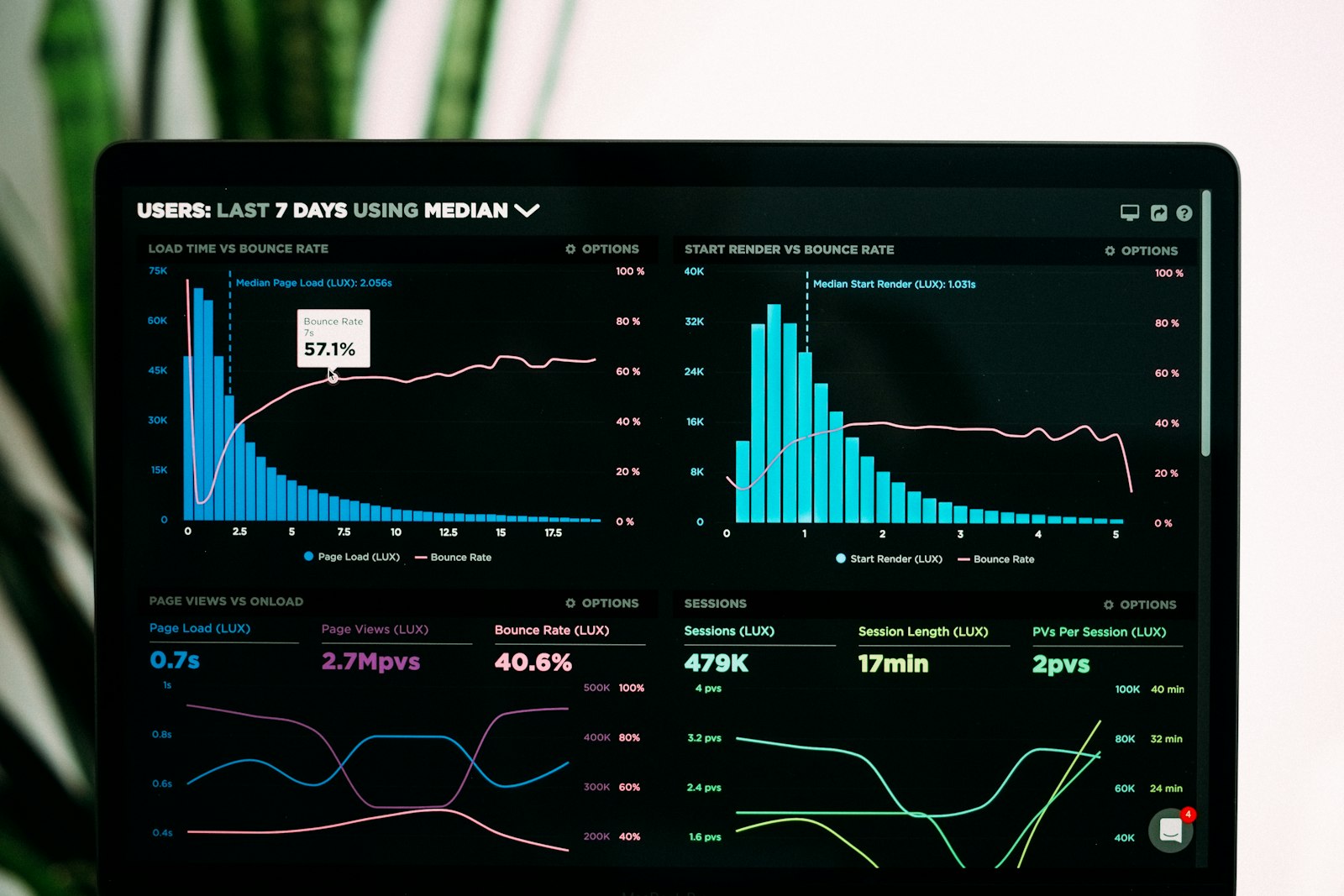
The single best-performing science format on TikTok and Reels right now is the data visualization short. A clean chart, a clear narrative, a punchy 30-second voiceover. Accounts dedicated to this format are growing 5 to 10x faster than traditional explainer accounts.
The workflow: generate the chart in your tool of choice (Python, Tableau, Datawrapper), export as PNG, and animate it with image-to-video on Wan 2.7. Wan 2.7 is the strongest model for animating static charts because it preserves the data integrity while adding subtle camera and reveal motion. Layer on a voiceover from your cloned voice and a Lyria background bed.
For more complex visualizations, generate three to five chart variants and stitch them as a sequence with story-to-video. You can build a complete 60-second data narrative in 45 minutes.
Five workflow templates for STEM creators
Lift these directly. Adjust the science to your domain.
The "science behind X" reel. Pick a phenomenon (why coffee swirls when you stir, why thunder follows lightning, why your phone battery dies faster in the cold). Open with a VEO 3.1 cinematic shot of the phenomenon. Cut to a conceptual animation explaining the mechanism. Close on a real-world callback. Voiceover in your cloned voice. 90 seconds total.
The paper-to-reel breakdown. Take a recently published paper in your field. Generate three data visualization shorts of the key figures. Animate each with Wan 2.7. Narrate the methods, results, and implications in three separate reels, posted across the week. This format consistently drives the highest follower-quality growth in science content.
The lab tour without the lab. Use AI b-roll generator to generate eight 5-second lab clips covering the techniques used in your field. Stitch into a 45-second "what a day in this kind of research looks like" reel. Powerful for student outreach and recruitment.
The historical recreation. Use AI movie maker with SORA 2 to recreate a famous scientific moment (Marie Curie isolating radium, Watson and Crick at the chalkboard, Galileo at the telescope). Period-accurate atmosphere, narrated by your cloned voice. Excellent for hooking general audiences into deeper content.
The myth-buster short. Hook on a popular misconception ("you don't actually use only 10 percent of your brain"). Cut to AI-generated brain imaging conceptual animation. Show the actual data with an animated chart. Close on a clear takeaway. This format is the highest-converting science content for new follower acquisition in 2026.
Mistakes that hurt science content credibility
The audience for science content is more skeptical than any other vertical. They will catch sloppiness. Avoid these.
- Passing AI animation off as real microscopy or telescope imagery. Always label conceptual visuals clearly. The 2026 standard among credible science creators is an on-screen text label like "conceptual visualization" whenever AI-generated imagery represents a scientific phenomenon.
- Generating "scientists" with white coats and goggles holding nothing recognizable. Generic AI scientist imagery reads as stock-photo cringe to scientifically-literate audiences. Either use real footage of you in your space or use hands-only AI b-roll.
- Overusing dramatic music on serious science. Lyria and Suno v5.5 default to cinematic swells. Science explainers perform better with restrained, almost ambient audio. Prompt your music generation accordingly.
- Skipping citations. Burn citation chips into the lower third for every claim. The science audience expects this, and skipping it tanks credibility scores in YouTube's algorithm signals.
- Letting AI generate equations or specific numerical values. Models still hallucinate math. Always type formulas and values in post, never let AI generate them inside an animation.
FAQ
Can I use AI-generated animations in peer-reviewed publications or conference talks?
For figures meant to convey actual data, no. For conceptual or schematic animations that illustrate mechanism, increasingly yes, with proper labeling. Several major journals updated their 2025 guidance to permit AI-generated illustrative content when it is clearly labeled as conceptual and not derived from primary data.
What is the best model for cosmic and astronomical visualizations?
SORA 2 leads for cinematic space scenes (galaxies, nebulae, planetary surfaces). VEO 3.1 is stronger for tighter astrophysical concepts that need precise camera control. Both should be paired with a "conceptual visualization" disclosure since neither generates actual telescope data.
How do I keep AI b-roll consistent across an entire YouTube channel?
Build a 30 to 50 clip personal library of lab b-roll using consistent prompt scaffolding (same lighting cues, same color palette, same depth of field language). Reuse the library across every video. This produces a visual identity that audiences associate with your channel.
Can I clone my voice for accessible multilingual versions of my explainers?
Yes, and this is one of the highest-leverage moves in science communication right now. ElevenLabs v3 preserves your voice across English, Spanish, Mandarin, Hindi, and 30+ other languages. Inworld TTS-2 is a strong alternative for languages with thinner ElevenLabs coverage. The accessibility win and the growth from non-English audiences are both substantial.
What is the credit cost of a typical 60-second science explainer?
A polished explainer with three conceptual animations, two lab b-roll clips, one image-to-video data visualization, voiceover, and a music bed runs roughly 200 to 350 credits on Versely. Compared to even a freelance motion designer at 500 to 1500 dollars per minute, the math makes a regular publishing schedule realistic for the first time.
Build the science channel you actually want to make
The bottleneck on great science content has never been ideas. It has been production cost. With AI video that bottleneck is gone, which means the science creators who win in 2026 are the ones with the clearest curiosity and the discipline to ship weekly. Open the AI video generator, generate your first conceptual animation, and start the channel you have been postponing for three years. For a wider view of how creators across niches are running their AI stacks, read our AI content creation 2026 complete playbook.